SkyRAN

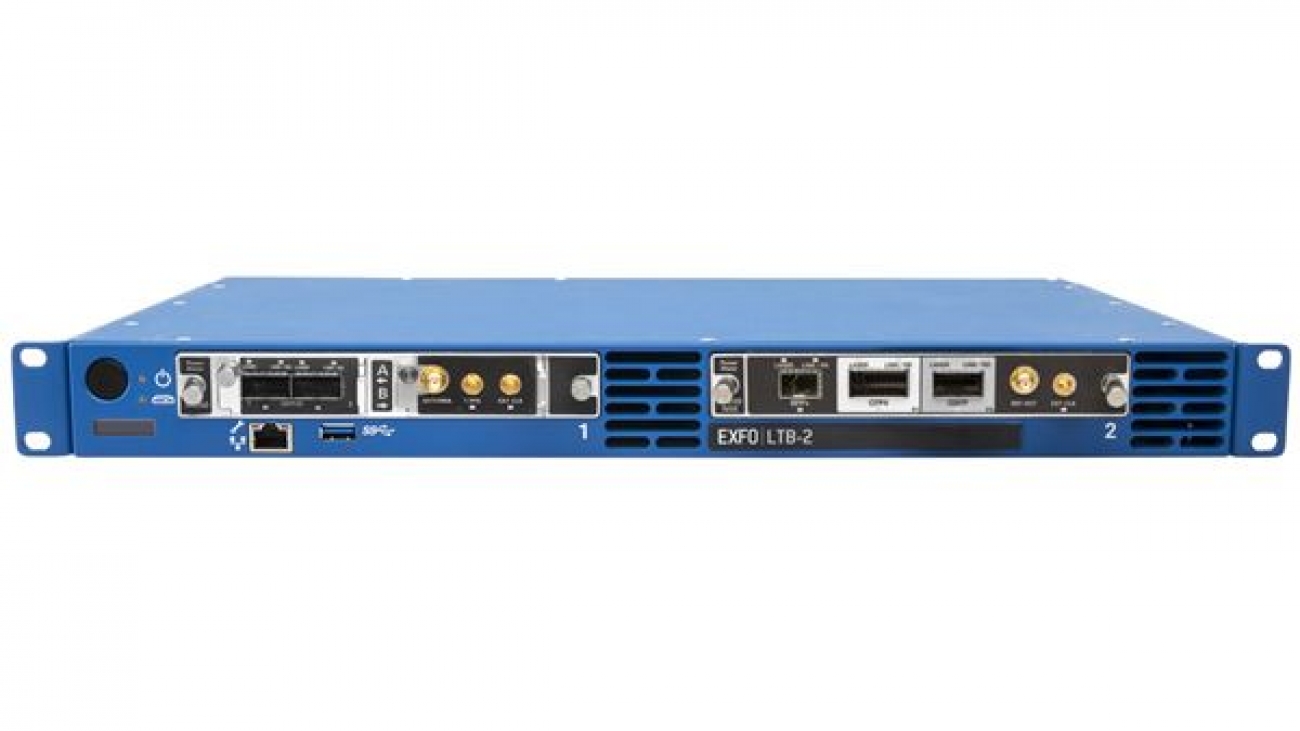
LTB-2 – rackmount modular mainframe

Recognized as a best-in-class platform, the LTB-2 is a versatile solution addressing numerous transport and datacom applications. Whether in the central office/exchange, design lab or during the manufacturing process, the LTB-2 provides users with added testing versatility and power to take on the today’s complex challenges.

The Windows advantage

Keep it simple and use mainstream applications such as Microsoft Office Suite (i.e., Word, Excel and PowerPoint) and other familiar programs.

  • Faster start times and multitasking for a superior user experience
  • Familiar desktop design for ease of use
  • Connect remotely with Microsoft Remote Desktop and EXFO’s remote toolbox

Supports transport and datacom multiservice test modules

The FTBx-88260 is a customizable 1G-to-100G multiservice test module, built to handle multiple transceiver types via EXFO’s unique Open Transceiver System (OTS).

Key features:

  • Supported interfaces: copper SFP/SFP+, SFP, SFP+, SFP28, QSFP+, QSFP28, CFP4 and AOC cables
  • Ethernet testing including RFC 6349 and EXFO’s iSAM for 100G testing
  • 5G support CPRI/eCPRI, including eCPRI 10G and 25G

The FTBx-8870/8880 Power Blazer are versatile, 10G multiservice test modules.

Key features:

  • Dual-port, Ethernet-testing capability—up to 10GE
  • Testing of speeds from 1.5M to 10G
  • Covering multiple technologies: OTN, SONET/SDH, DSn/PDH, Ethernet, Fibre Channel and CPRI

Remote monitoring and control

Use remote access applications such as Java, VNC, remote desktop or web browsers to monitor and troubleshoot test applications carried out on an LTB-2 platform found anywhere.

Get connected and share resources

EXFO TFv—Test Function Virtualization is the industry’s first suite that focuses on test function virtualization. This suite is ideal for lab managers who are looking to scale their testing requirements to specific user needs.

  • FTB Anywhere floating test licenses enable EXFO’s platform users to share licenses, giving them the functionality that they need anytime, anywhere. Customers own the software licenses and can share them between platforms.
  • FTB OnDemand time-based licenses activate a wide range of test functionalities for a specific period of time—perfect when a test function is only needed for a specific project.
ftb_family_aligned-w-ftb4-18_2000x856

FTB portable test platforms

Overview

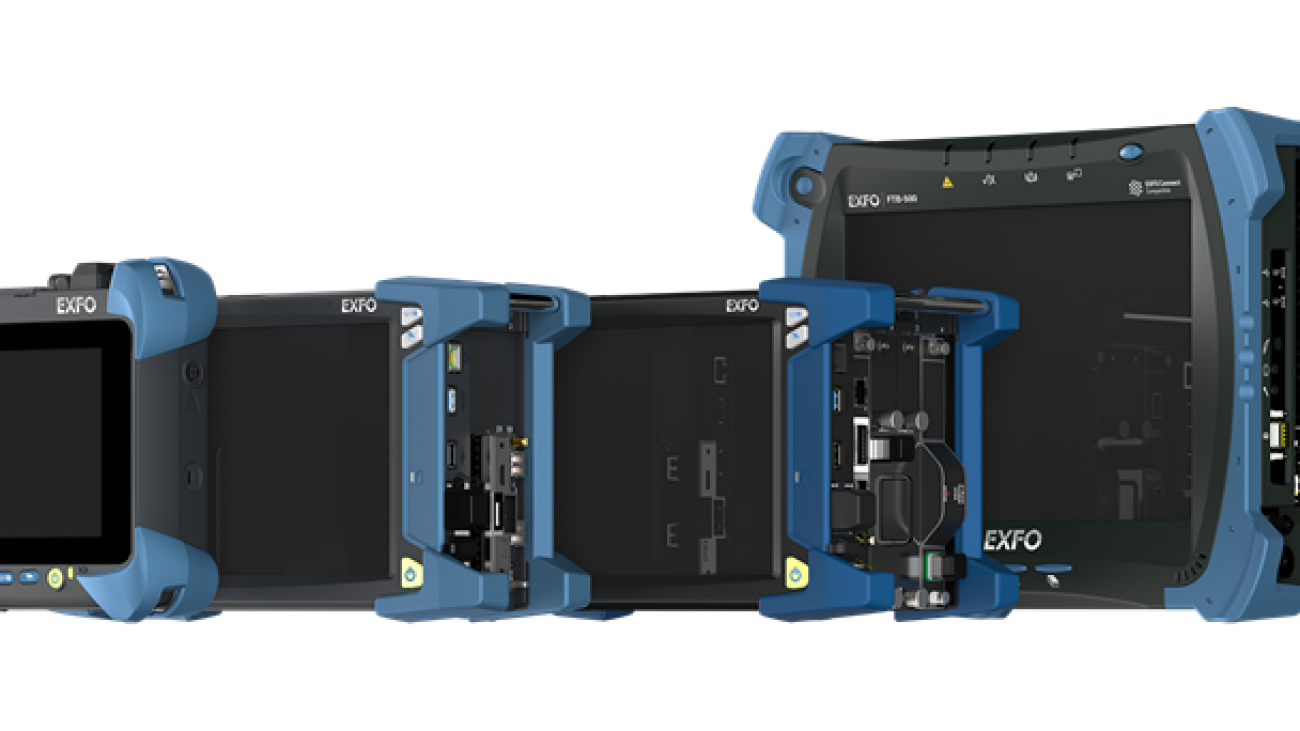
EXFO’s FTB platform family delivers unsurpassed operational efficiency through integrated applications, embedded testing tools, as well as with routines and flexible connectivity options that streamline inventory management, simplify field communications and extend in-the-field capabilities.

Do more by going FTB Pro

The Windows operating system allows for a wide choice of 3rd party applications and supports an extensive range of USB devices :

  • Start faster, multitask
  • Use any Office suite
  • Connect to printers, cameras, keyboards, mice, and more
  • Share your desktop (e.g. using TeamViewer)
  • Use an antivirus software
  • Communicate via email services and OTT apps
  • Record and automate actions
  • Share files via cloud-based storage

Multitasking where others can’t

Thanks to a Windows-based OS and strong processing power, you can run all your applications simultaneously on the FTB platforms—in real time :

  • EXFO ToolBox
  • Web browser
  • Remote connection service
  • Optical test application
  • Ethernet/transport test application
  • EXFO’s EXpert Test Tools
  • PDF Reader

You can toggle between them and avoid wasting precious time reloading applications.

lfd-202-202e_front_7260_2000x1652

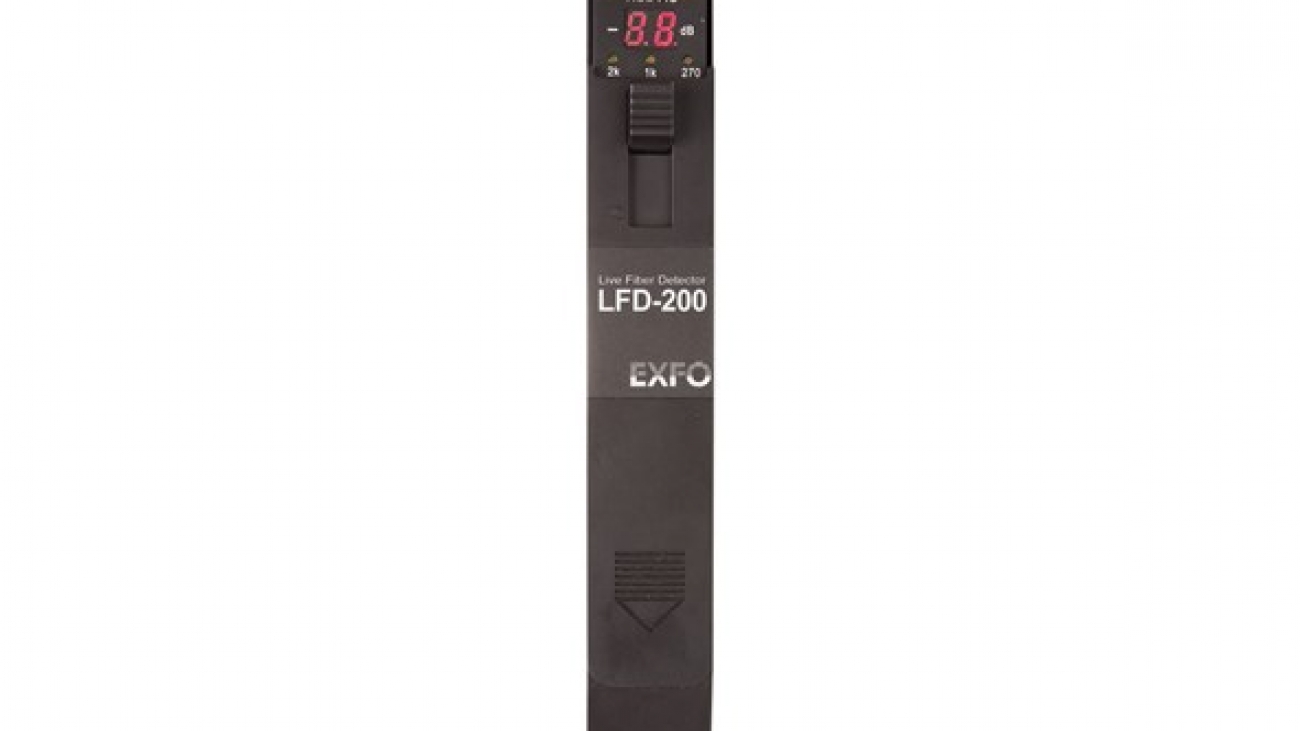
LFD-200 – live fiber detector

No-disconnection live fiber detection

The LFD-200 Live Fiber Detector allows you to detect traffic and measure signals anywhere on singlemode fibers without having to disconnect them. It also lets you check for signal presence before rerouting or maintenance, perform continuity tests and verify cable labeling. Based on non-destructive macrobending technology, the LFD-200 doesn’t disrupt traffic, damage or overstress the fiber, enabling efficient, accurate and reliable data acquisition.

Simple testing of multiple fiber types

EXFO’s LFD-200 is the only instrument of its kind on the market that comes with a choice of three built-in, interchangeable adapter heads, making it an all-in-one solution for live fiber detection. The handle’s storage compartment holds the extra adapter heads for simple conversion and easy testing of various fiber types.

The LFD-200 also features a unique Hold button that enables hands-free operation. Just push up the button and click it down.You are now free to operate your setup.

lfd-250b_1

LFD-250B – live fiber detector

Breaking free of the limitations of traditional live fiber detectors

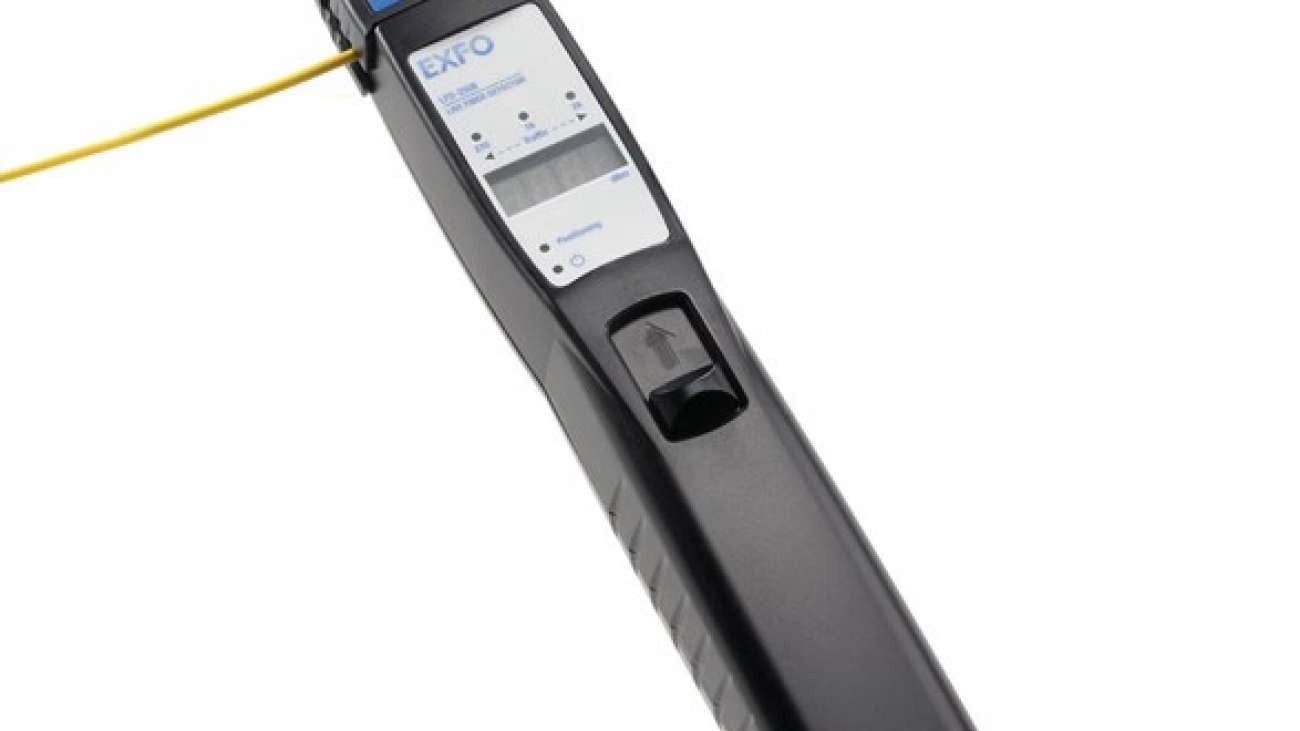
Traditional live fiber detectors (LFDs) use thumb-activated fiber bending at a fixed angle to enable the detector to read the power leaking from the jacket (see Figure 1). Since the bending is fixed and optimized for one wavelength and one fiber type, the bending often causes:

  • Excessive loss
  • Unreliable fiber detection (fiber activity is not detected)
  • Unreliable tone/traffic detection
  • Permanent damage to the fiber

In addition to being unreliable, the fact that they can cause excessive loss is the main reason why traditional LFDs are considered dangerous and are not used on high-data-rate routes and in long-haul-network applications.

EXFO’s LFD-250B Live Fiber Detector introduces step-motor-activated bending and makes fixed-angle bending—and the drawbacks stated above—a thing of the past.

EXFO’s LFD-250B: step-motor-activated bending, for guaranteed low loss

For all fiber types and all wavelengths, insertion loss is monitored as a function of the bending angle as the motor (and not human power) moves. Although the angles differ, the behavior remains the same. The adjacent graph shows that fixed-angle bending generates excessive loss in some cases, and leads to flawed identification in others.

The LFD-250B brings a unique approach: the power loss is monitored as the motor (and not human power) changes the angle. Therefore, the angle is automatically optimized for each fiber type and each singlemode wavelength. This results in clear-cut advantages:

  • Maximum loss of 1 dB guaranteed for any singlemode telecom fiber (most jacket types) and any wavelength
  • No damage to the fiber: bending is always minimal and the fiber is released when no power is detected*
  • Virtually 100 % reliability on traffic detection, direction identification and tone detection
  • Accurate in-line, non-disruptive power measurements
  • Safe to be used in long-haul applications and on high-payload fibers—contrary to traditional LFDs

Ambiant light offset

EXFO’s LFD-250B performs an ambient light offset prior to fiber bending, which makes it less sensitive to ambient light. A push-down cap can also be placed on the headend to block intense ambient light.

In-line power measurement

As stated, the LFD-250B controls the insertion loss within the fiber (IL) in dB. But the absolute value of the measured signal is in dBm, so knowing the loss in dB and the power level of this light exiting, power can be measured with a better accuracy than traditional fixed loss LFDs. Of course, coupling efficiency is a factor (3 mm jackets absorb more than 1.6 mm and 900 μm jackets). However, since loss is monitored as a basis for motor positioning, the unit knows what size of jacket is being tested (either 900 μm, 1.6 mm or 3 mm), so the LFD-250B automatically uses the proper coupling efficiency parameter and computes the power within any fiber, at any wavelength, with 1 dB repeatability.

Applications are numerous

  • FTTH deployment, where there is no protection fiber, making non-intrusiveness a key
  • Live network maintenance and troubleshooting
  • Link budget evaluation without having to disconnect
lfd-300b_tg-300b_1

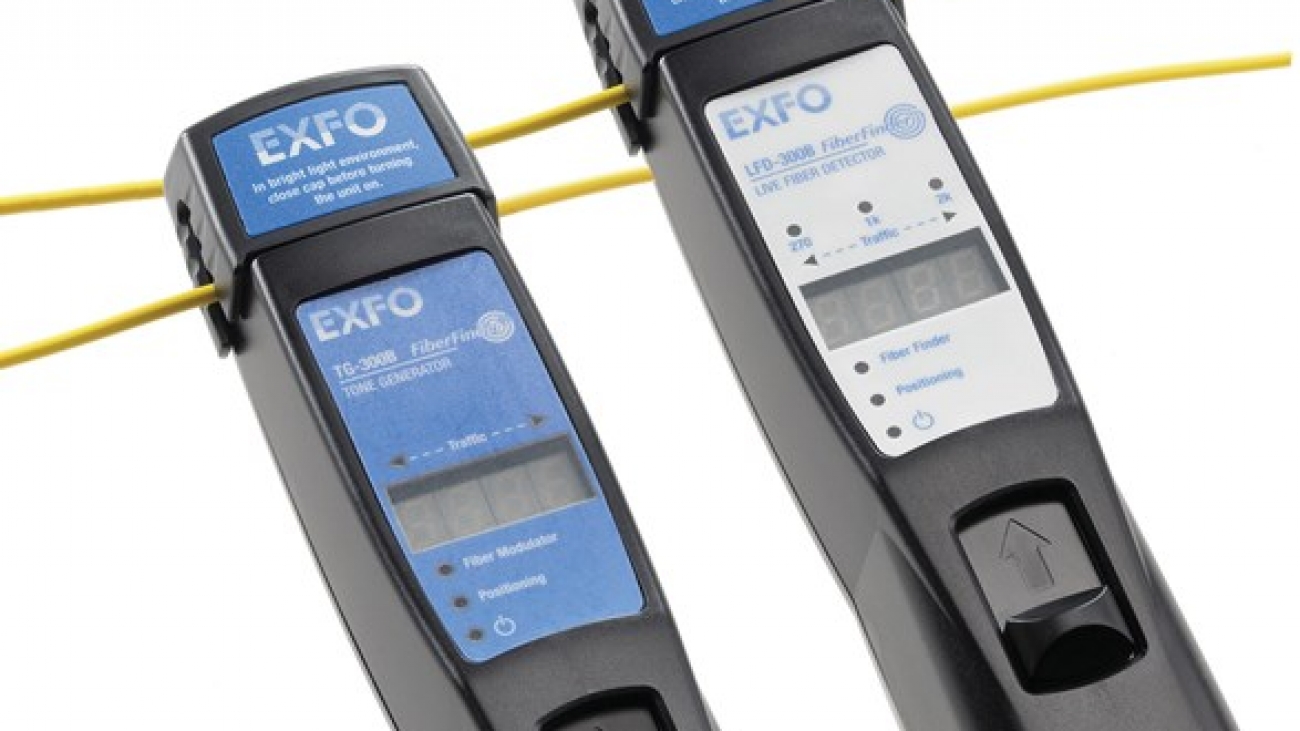
LFD-300B/TG-300B FiberFinder – live fiber identifier/tone generator

Pinpointing live and dark fibers: guesswork ends here

Performing network upgrade or optical testing requires a fiber to be disconnected. This is often easier said than done, since finding the right connection can be tricky, namely because of fiber mislabeling or poor record keeping. While the dark fiber can be identified using a tone generator (270 Hz, 1 kHz, 2 kHz), the live fiber identification technique often involves one technician pulling one end of the patchcord, with another technician trying to identify which patchcord is moving at the other end—a process that translates into long delays and can result in unnecessary service disruption.

Combined with the TG-300B Tone Generator, the innovative LFD-300B FiberFinder™ Live Fiber Identifier enables technicians to identify a specific live fiber without having to disconnect it and, above all, without having to guess.

This brings key benefits:

  • No more network outages as a result of fiber detection/identification procedures
  • The minimized need to access the network helps prevent errors
FiberBasix 50, ELS-50, EPM-50

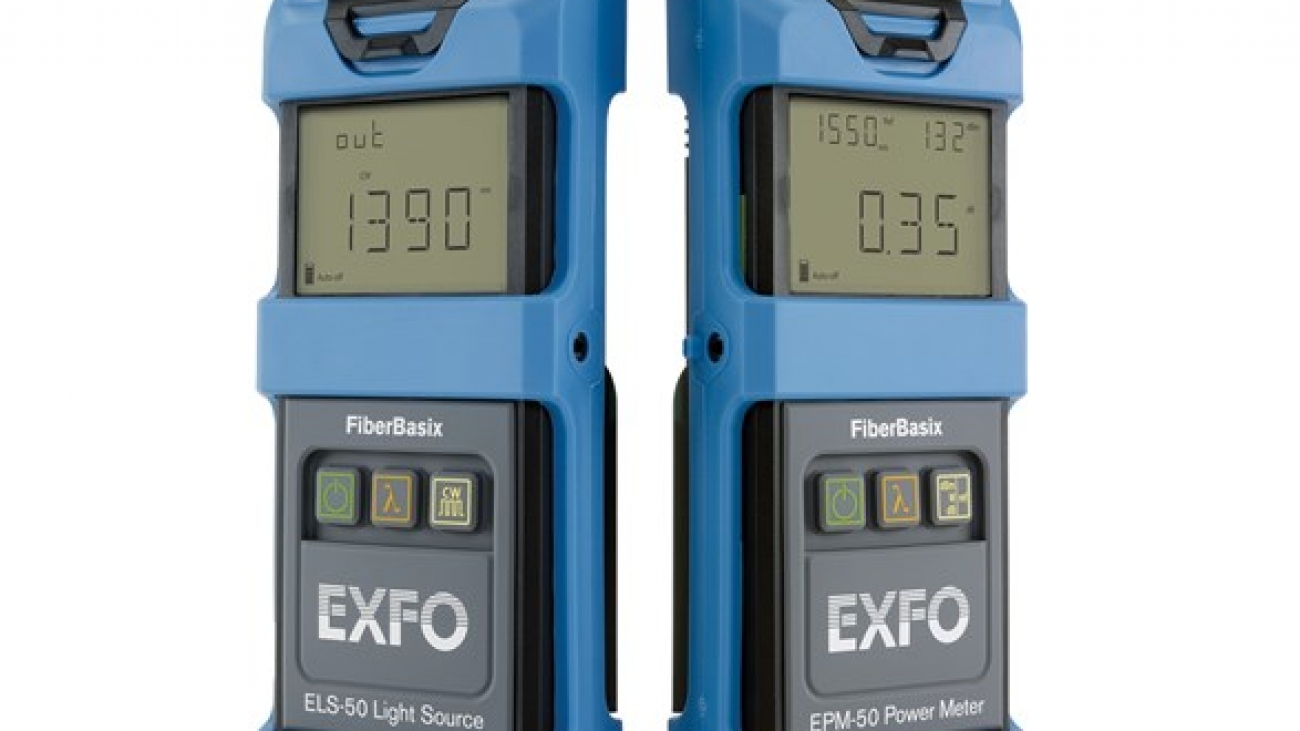
FiberBasix 50 – handheld testers

EXFO’s FiberBasix 50 series meets your basic day-to-day test requirements while helping you stay within budget. These worry-free, straightforward handheld testers enable accurate measurement of signal attenuation during fiber-optic cable installation.

The FiberBasix 50 series includes two highly convenient instruments:

  • The ELS-50 Light Source, combining up to three wavelengths in a single configuration
  • The EPM-50 Power Meter, which offers high accuracy and referencing capabilities

An FTTx test solution

These products are part of EXFO’s series of FTTx optical test products. They allow for the testing of passive optical networks (PONs) at the three main wavelengths (1310, 1490 and 1550 nm) used in fiber-to-the-home (FTTH) and fiber-to-the-premises (FTTP) networks and comply with the ITU-T G.983 and G.984 Recommendation series and the IEEE 802.3ah standard.

ELS-50 light source: multiwavelength capability

EXFO’s ELS-50 Light Source provides excellent stability and high measurement accuracy for up to three singlemode wavelengths or two multimode wavelengths. It is the perfect complement to the FiberBasix 50 EPM-50 Power Meter when it comes to measuring attenuation on fiber-optic links.

EPM-50 power meter: high accuracy and easy referencing

The EPM-50 Power Meter provides highly accurate power measurements, as well as reference value setting capabilities. It offers power autonomy of 300 hours, for reliable, long-lasting performance in the field.

fls-110_1

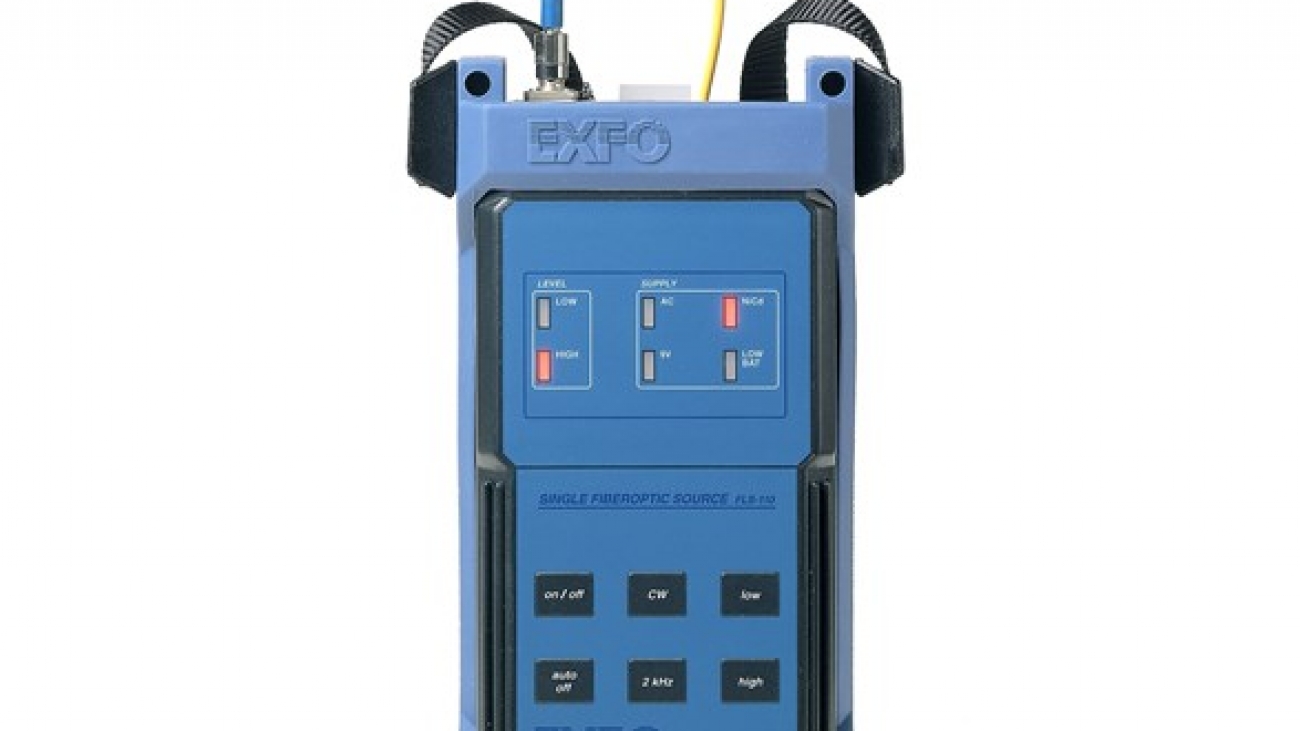
FLS-110 – optical source

The FLS-110 Optical Source is a handheld polarized source—ideal for field PMD measurements. This broadband LED (typically 65 nm  in the C band) is especially suited to PMD measurements using the FTB-5500B PMD Analyzer.

Practical Features

The FLS-110 offers CW and 2 kHz modulation for fiber identification, complete status indicators, a low-battery indicator and an Auto-Off function. The unit is housed in a sturdy, waterproof case surrounded by a shock-absorbing holster that protects the instrument in tough field conditions.

Choose between the 1310 nm or the 1550 nm LED models. Both units feature high and low power levels to maximize battery life.

Power to Spare

The FLS-110 features three complementary power sources for extended operation. When the rechargeable NiCd battery runs low, the unit automatically switches to the 9 V alkaline battery backup. An AC adapter/charger is also supplied for continuous operation.

fls-140_1

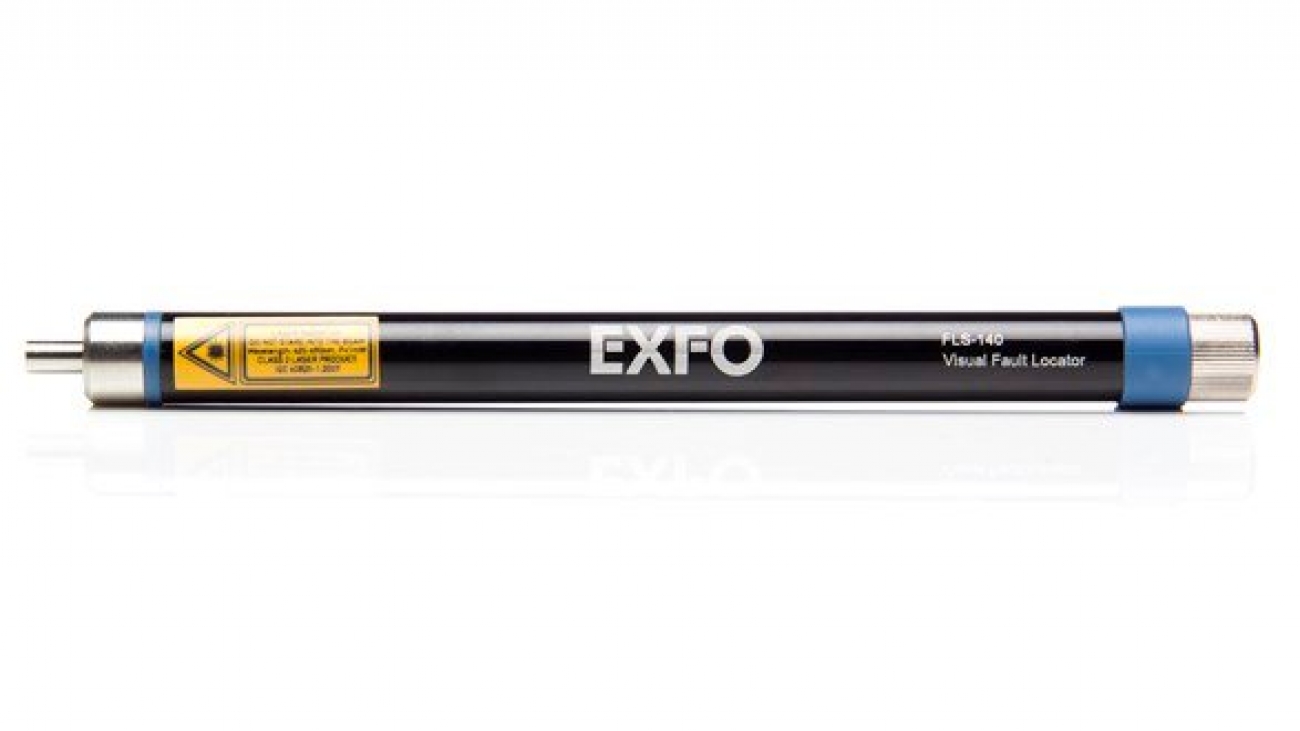
FLS-140 – visual fault locator

The FLS-140 is the easiest way to identify optical fibers from end to end and locate polished connector endfaces. Its red laser shines through most yellow-jacketed optical fibers to help you pinpoint breaks, bends, faulty connectors, splices and other causes of signal loss. It has a reach of up to 5 km. The convenient FLS-140 locates faults visually by creating a bright red glow at the exact location of the fault on singlemode or multimode optical fibers.

Compact design

With a pocket-size pen-style design, this visual fault locator can easily be carried anywhere. Thanks to its anodized aluminum casing, this long-lasting and lightweight tool is the complementary tool of choice for any fiber-testing field technician.

Cost effective

The FLS-140’s extremely high efficiency guarantees prolonged operation with two standard AAA alkaline batteries, typically providing 40 hours of uninterrupted operation.

Priced to accommodate the tightest budgets, the FLS-140 is a truly affordable way to locate faults in OTDR dead zones. Its effectiveness justifies purchasing one for just about every fiber technician.

fls-240_1

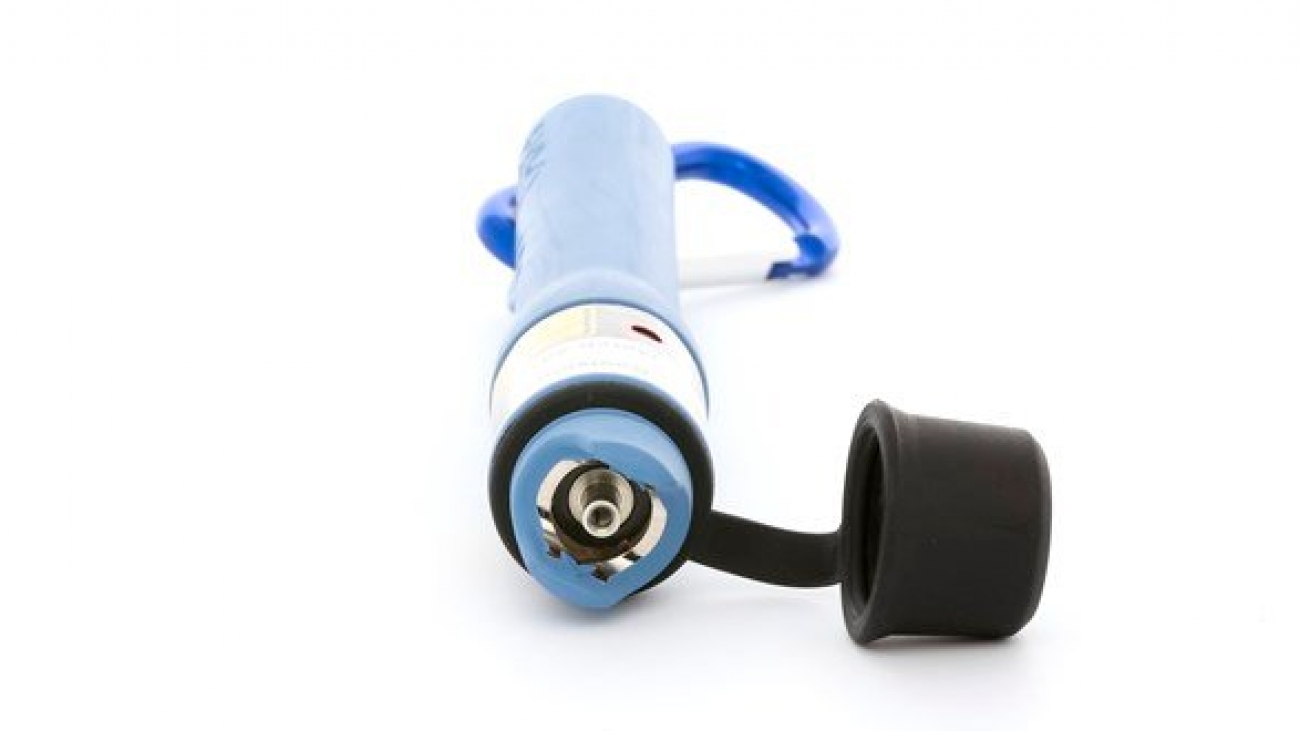
FLS-240 Pocket Pal – visual fault locator

The FLS-240 Pocket Pal Visual Fault Locator is a straightforward solution for identifying breaks, bends, faulty connectors or splices, as well as other causes of signal loss. It can detect faults over distances of up to 5 km. The FLS-240 visually locates faults by creating a bright red glow at the exact location of the fault on singlemode or multimode fibers.

Robust design

To ensure ruggedness, the Pocket Pal features rubber seals, a fully enclosed laser head and a long-lasting On/Off switch. It has been tested to provide reliable operation under intensive use and harsh conditions.

fls-300_front_2000x1667

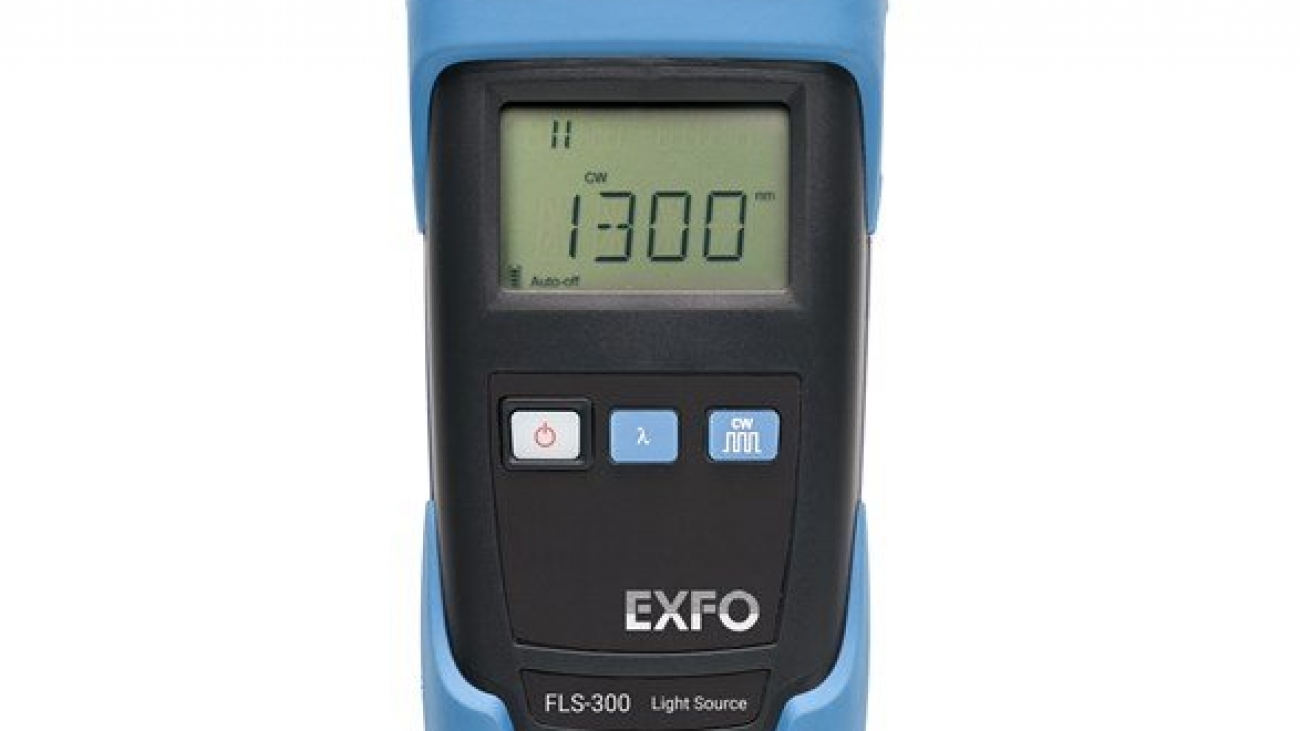
FLS-300 – light source

With up to three singlemode wavelengths on a single port, or four wavelengths (two multimode, and two singlemode) on two ports, the FLS-300 is the most versatile, complete light source available.

An FTTx test solution

This product is part of EXFO’s series of FTTx optical test products. It allows for the testing of passive optical networks (PONs) at the three main wavelengths (1310, 1490 and 1550 nm) used in fiber-to-the-home (FTTH) and fiber-to-the-premises (FTTP) networks and complies with the ITU-T G.983 and G.984 Recommendation series and the IEEE 802.3ah standard.

Auto-wavelength recognition

The FLS-300 Light Source can transmit with a wavelength-identification digital encrypted protocol, so that any compatible unit—the FPM-300 Power Meter and the FOT-300 Optical Loss Test Set—can automatically use the proper calibration parameters. This feature reduces the need for communication between the two technicians and decreases the potential for error.

Distant referencing

Signal encrypting can also give the receiving end information on the power to be used as reference, helping ensure efficient referencing, even when the two units are far apart.